June is dedicated to raising awareness about Post Traumatic Stress Disorder (PTSD), a mental health condition brought on as a result of trauma. It can affect anyone of any race, gender, or age. In fact, the National Center for PTSD has reported that between 7% and 8% of the population will experience PTSD in their lifetime.
Most people associate PTSD with combat so veterans have long been a focus when promoting mental health awareness for this condition. However, accidents, natural disasters, neglect, and abuse are just a few (of the many) other causes of PTSD.
The first half of 2020 has undeniably been a series of disasters on a global scale. People worldwide have experienced sickness, death, financial devastation, and political upending due to the COVID-19 pandemic.
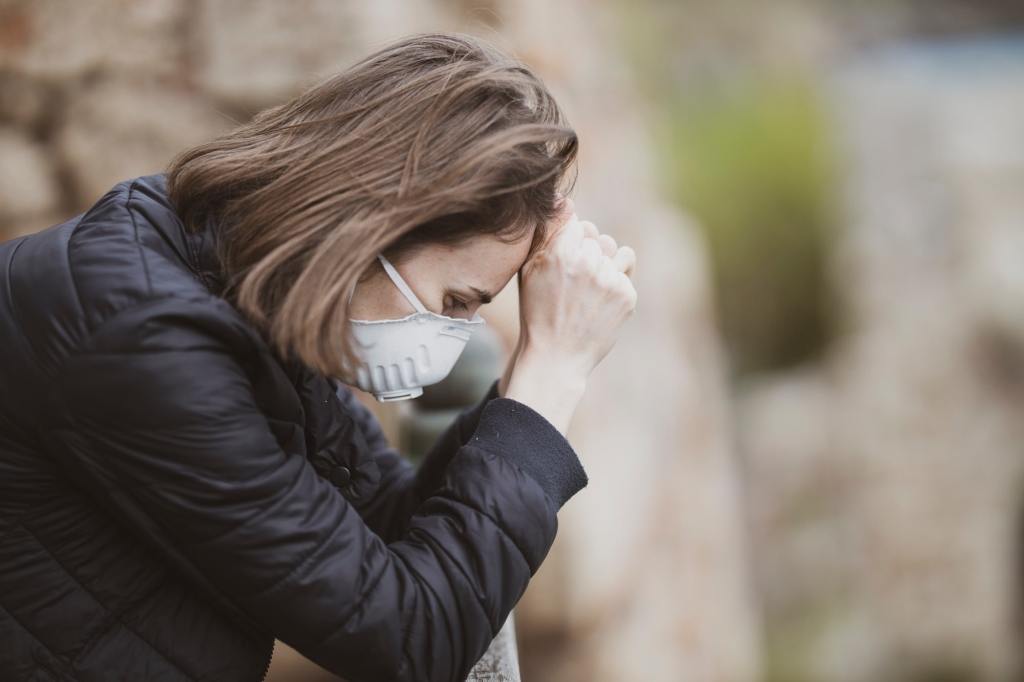
The United States was hit particularly hard by the disease and its economic impacts. Since February, more than 21 million people suddenly became statistics, joining the unemployed ranks. In addition, millions of citizens worked the front lines and other essential jobs through the worst of the initial outbreak. Many more found themselves unexpectedly adapting to balancing remote work, homeschooling, childcare, and their mental well-being.
Unfortunately, the turbulent social climate created by the pandemic has not held mother nature back from wreaking havoc. Wildfires spread across California and Washington states, deadly tornadoes ripped through the Midwest, winter storms slammed the northeast clear into spring, and mass evacuations due to a dam breaking in Michigan hit the headlines just as hurricane season threatens to ravage the Atlantic coast.
And we’re not yet out of the woods. The good news is that a good dose of C goes a long way.
Stay with me now. I’m not talking about upping your daily serving of orange juice.
Although, Vitamin C has been proven to affect how we respond to anxiety and depression and is linked to how we react to chronic unpredictable stress, not to mention it’s an immune-boosting powerhouse, so do that too.
I’m talking about showing we care by helping those around us cope during stressful circumstances with consideration. I will share several ways you can give your team a strong dose of C and nurture a work environment that empowers everyone to come together to overcome post-traumatic stress.
Close the Great Divide

Everybody’s experience with traumatic events is unique. In fact, two individuals’ perceptions of the same circumstances can vary. This creates conflict if anyone on your team lacks appropriate empathy.
It’s important not to praise those who can return to work ‘as normal’ following a personal or large-scale traumatic experience in a way that undermines or belittles those who need more support.
It’s equally important not to focus all of your attention on accommodations for those who need extra assistance integrating back into the workflow in a way that detracts from the efforts of those who process and recover at a faster rate.
Essentially, your team needs you to balance meeting the mental health needs of your workforce. You must prevent a gap riddled with judgment, jealousy, shame, guilt, resentment, and misunderstanding from forming. This means you will have to put your emotional IQ into action from a fisheye lens.
There’s no going back to the way things were. And there’s no such thing as a new “normal” when someone’s home burns down, they’re assaulted, they lose a loved one, they experience a tragic accident, they find themselves homeless, bullied, shamed, harassed, they’re afraid to breathe the air around them or shake a hand…
Instead, you need to bring your team together to encourage and support each other as they forge a new path toward reaching their goals in and out of the workplace.
Clear the air
While you want to keep the spotlight off how any one person copes with a tragedy, you can’t ignore the issue. Many people do not feel comfortable talking about their personal experiences with trauma — even with a therapist. You cannot expect your open-door policy will afford you much insight into the needs of your team. And you certainly cannot pressure or pry.
You can assess your team’s general mental wellness and well-being through a short anonymous survey — better yet, a series of surveys. For example, ask questions regarding how they feel about their safety and support system at work and home. Be specific about changes made to the workplace or workflow to gauge whether they create or eliminate post-traumatic stress.
Offer the opportunity to make suggestions to improve the work environment, benefits, policies, etc., to help those in greater need. In addition, get a pulse on how team members feel about current events, political and social initiatives, and what that means in the workplace.
Don’t stop at having your team check-off boxes. Use the information you gather to start conversations. Call a team meeting to discuss their recommendations for changes in the workplace openly, causes to take up, and the resources they need.
Create a calming atmosphere
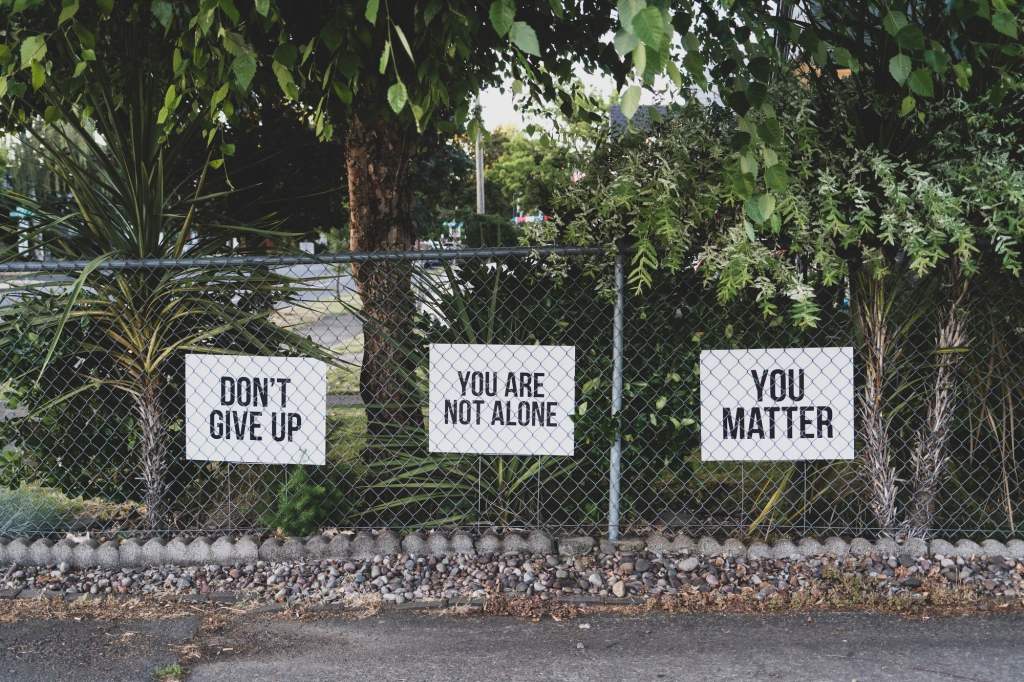
You can buy oil diffusers and floor pillows if that is where your team lands on making the workplace a safer and more comforting place — but I wouldn’t run right out to Home Goods. There are dozens of how-tos to create a more Zen workspace, and in general, they offer great tips. Declutter, add some plants, play soft music, adjust the lights… you should do those things if that environment works with your culture, budget, and space!
Keep in mind, though, that negative energy can live in the most organized and aesthetic places. So the atmosphere you create needs to start with the people you work with.
Establish a zero-tolerance policy in the workplace and if you already have one, enforce it. Education is the trick to doing this effectively while setting an example for the calm working atmosphere you want to create.
Inform your team about the reality of post-traumatic stress and other mental health conditions that can impact the workplace. Share tips for how to recognize symptoms, how to respond to triggers, how to help someone in distress, who to talk to, and what benefits the company offers to assist with getting treatment.
Tension typically arises when people feel they have lost control, so empower your team to stay calm and be a source of comfort.
Communicate as equals
If you want your team to open up in their times of need, they have to believe they are not going to lose your trust and respect. Developing this kind of relationship means showing vulnerability and letting your team know you are on their level.
Everyone goes through hard times. However, how we work through trials and tribulations does not make us better or worse, stronger or weaker than anyone else.
Show support in a manner that is encouraging rather than presents as pity. And coach your team to be self-aware of tone and mannerisms that read as condescending or forced. Strive to keep everyone communicating and relating regardless of their circumstances or experience with post-traumatic stress. —
No matter the source of the traumatic stress a person experiences, PTSD is a treatable condition. However, no two people respond to trauma the same and not everyone seeks treatment. There are numerous resources available to help diagnose and deliver the support necessary to overcome traumatic stress.
Helpful Resources
For First Responders
https://allclearfoundation.org/resources/?gclid=Cj0KCQjwrIf3BRD1ARIsAMuugNvfUy-VxWgIPJdYngttcpR6o_Lz-p5ZEzr2RCeVm-KlFnGuJFp17PsaAsWTEALw_wcB
For Parents
https://www.nctsn.org/audiences/families-and-caregivers
For Women
https://www.womenshealth.gov/mental-health/mental-health-conditions/post-traumatic-stress-disorder
For Men
https://www.menshealthresourcecenter.com/conditions/post-traumatic-stress-disorder/
For Patients and Families
https://www.psychiatry.org/patients-families/ptsd
For LGBTQIA+
https://www.nami.org/Your-Journey/Identity-and-Cultural-Dimensions/LGBTQI
For Veterans https://www.ptsd.va.gov/gethelp/crisis_help.asp
June 27th is National PTSD Awareness Day
 Crystal DeTemple McNeel
You must be logged in to post a comment.