Content marketers go head to head with the challenge of creating content that captivates audiences and delivers measurable ROI in a revolving door. We must consistently produce high-quality, engaging content that stands out amid a sea of information while working against constantly changing algorithms.
There is a foolproof hack to mastering this complex task: adopting a data-driven content marketing strategy. Leveraging analytics to understand audience preferences, track performance metrics, and refine content to optimize engagement and conversions keeps you one step ahead of changes that can render your content outdated in the blink of an eye.
By consistently leaning into data, you can guarantee all efforts yield tangible results. This approach significantly contributes to overall business goals. The issue on many marketing teams arises when great content creators or superb marketing strategists are not content marketing strategists.
The good news is that data is accessible across nearly every distribution channel you use for content. From social media to content management systems to customer relationship management platforms, analytics for audience engagement are just a click away.
It’s important to make the most of these resources to boost content ideation, creation, curation, and distribution strategies. This step prepares you and your team for strategic growth and multi-channel success.
Data matters to your content strategy. Here’s how you can start making better use of it immediately:
Why a data-driven approach matters
Data forms the backbone of modern marketing. User analytics provide invaluable insights into consumer behavior, preferences, and market trends. With this data, you can customize your content strategy by building detailed profiles of target audiences. Start by reviewing customer interactions, purchase histories, and social media engagement.
Understanding these unique behavior patterns enables you to create highly-personalized and relevant content that resonates deeply with users. By leveraging data analytics, you can make informed decisions about content creation, distribution, and optimization, ensuring that marketing efforts are efficient and effective. This saves time and money- both of which you can likely use more in your budgets- but, ultimately, the impact is notable across demand generation and lead capture metrics.
Step 1: Understand your audience and set clear goals
A deep understanding of your audience is the foundation of any effective content strategy. Of course, gathering data on your target customers is marketing 101. However, when building content and tracking engagement, you may notice that your ICP (Ideal Customer Profile) responds differently to content over time. Or, more importantly, your ICP may change, and your content formatting and messaging need to evolve.
Periodically check alignment with your audience, your goals, and your content strategy by reviewing these key points:
👉 Demographics: Who is your audience? Consider age, gender, location, occupation, and other demographic details.
👉 Behavioral data: How does your audience interact with your content? Look at metrics like time spent on page, bounce rates, click-through rates, and social media engagement.
👉 Preferences and interests: What topics resonate most with your audience? Use social media insights, surveys, and direct feedback to gather this information.
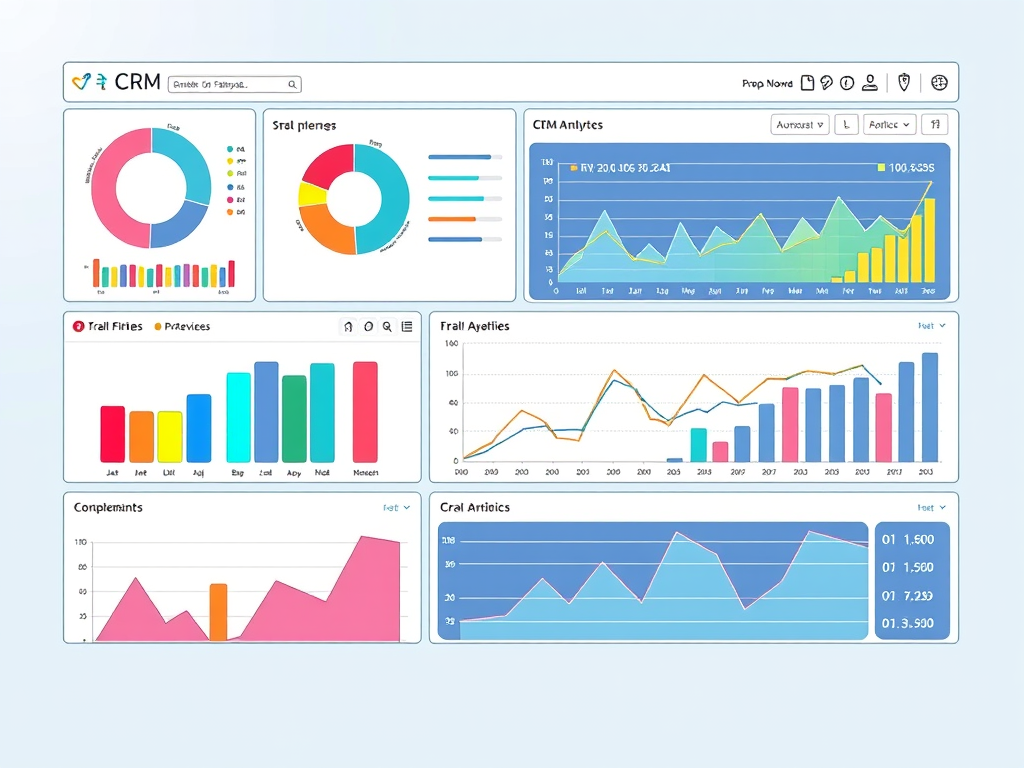
Again, the tools you already use, like Google Analytics, social media analytics platforms, and your CRM system, can provide valuable data to help you build a comprehensive picture of your audience.
Step 2: Set clear goals and KPIs
Before you start creating content for any new campaign, define what a successful outcome looks like for your content marketing strategy. Outline measurable goals that align with overall business objectives and communicate these goals clearly to ensure alignment across your team. Common goals you may target could include:
- Increasing website traffic
- Generating leads
- Boosting social media engagement
- Improving conversion rates
Once your goals are set, identify key performance indicators (KPIs) to help track progress. For example, if your goal is to increase website traffic, relevant KPIs include page views, unique visitors, and referral traffic sources. Try to quantify these goals as accurately and reasonably as possible to achieve.
Step 3: Use data to inform content creation
With a clear understanding of your audience and goals, you can finally use data to guide your content creation. At this stage, you want to start by identifying key metrics and trends that resonate with your target audience. This is where you apply your creative skills to analyze the data and develop content that addresses their interests and needs.
How to use data to inform your content strategy
Topic selection
Use keyword research tools to pinpoint high-volume search terms and trending topics within your industry. This will enhance your content strategy by addressing relevant subjects that resonate with your audience while improving your SEO (Search Engine Optimization), even if that isn’t your target goal with this campaign.
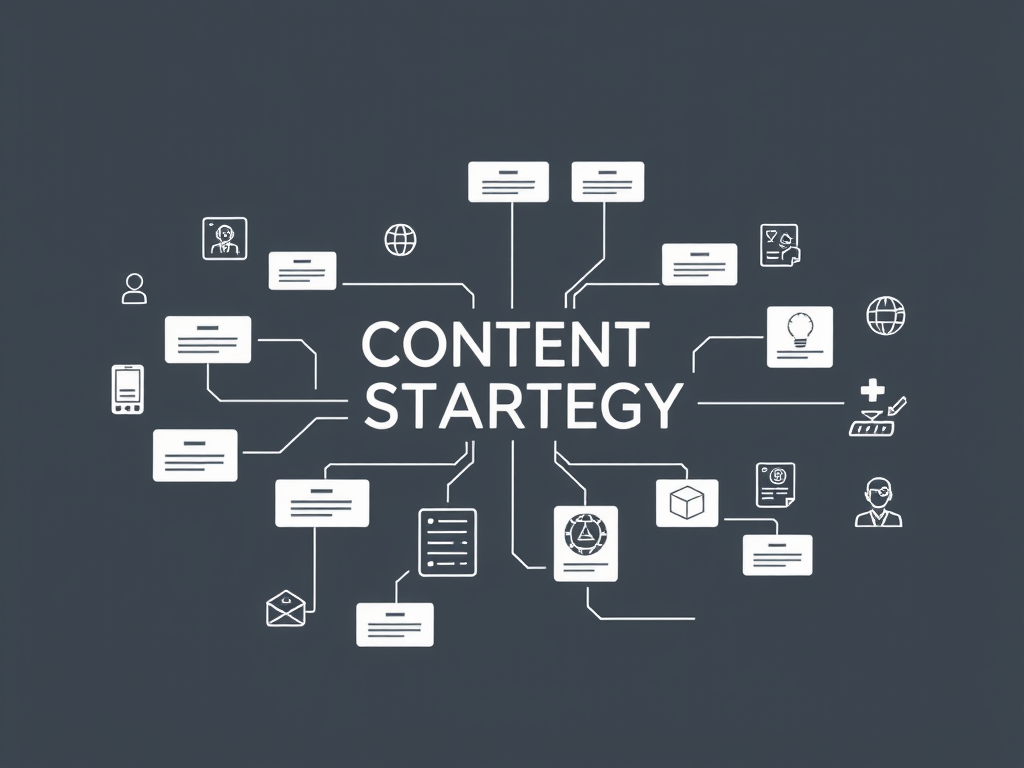
There are several popular keyword tools, such as Google Keyword Planner, SEMrush, or Ahrefs you can use to research potential topics. You typically want to focus on terms with significant search volume to ensure your content reaches a broad audience. But sometimes, you may want to promote a new product or idea that doesn’t have a significant search volume yet. Don’t let this dissuade you from producing relevant and important content for your audience!
On that note, keep an eye on trending topics to stay ahead in your industry and provide timely information to your readers. By consistently and strategically applying this approach, you can refine your content strategy and establish authority. While you’re at it, look for gaps in existing content that you can fill with unique, valuable insights.
Always consider the specifics of what your target audience is searching for. What questions do they have? You should also analyze competitors’ content to find areas where you can offer more comprehensive or innovative solutions.
Content formats
Analyze which content formats perform best with your audience. Do they prefer blog posts, videos, infographics, or podcasts? Use this data to prioritize content formats that drive the most engagement. However, don’t put all of your eggs in one basket.
Consider the topics that resonate most, the times when your audience is most active, and the platforms where your content receives the most interaction. You may want to produce a podcast with supporting blog content, for example, that you can distribute via your newsletter. This approach ensures you reach a broad audience and your content is accessible in different formats.
By understanding factors like accessibility or when different content formats receive the most engagement and why, you can refine your strategy to maximize reach and effectiveness, ensuring your content reaches and engages your audience.
Content calendar
Timing is everything. You should always use data to determine the best times to publish your content. This generally requires some A/B testing, but you can also research what resources such as HubSpot, HootSuite, or MailChimp have determined are reliable times for engagement with different content formats until you have built up enough of your data to rely on.
Consider your audience’s time zones and daily routines to ensure maximum engagement. This is especially useful when distributing content like newsletters. Analyze metrics such as peak social media activity, seasonal trends, and industry events to gain insights into circumstances that may skew your engagement metrics so you can make adjustments and/or account for variances. Integrating these factors allows you to optimize your content calendar for higher visibility and better performance.
Step 4: Distribute and promote strategically
Creating great content is only half the battle. Effective distribution and promotion ensure your content reaches the right audience—leverage data to identify the best platforms and times for sharing your content. Engage with your audience through social media, email marketing, and influencer collaborations.
✔️ Identify the best channels
Use analytics to determine which platforms drive the most traffic and engagement. Analyze metrics such as click-through rates, shares, and comments to gain insights. Focus your efforts on the channels that yield the best results, and consider tailoring your content to fit each platform’s unique audience for optimal performance.
✔️ Optimize timing
Analyze data on when your audience is most active online and schedule your posts accordingly for maximum engagement. Understanding the peak times your followers are online ensures your content reaches a larger audience.
Tools like Hootsuite and Buffer are invaluable for this task. They offer features that allow you to automate the scheduling process, track performance, and suggest optimal posting times.
✔️ Segment your audience
Personalize your content distribution by segmenting your audience based on their behavior and preferences. This includes analyzing their interactions, purchase history, and demographic information to create distinct groups.
Tailor your messaging to different segments to increase relevance and engagement. Ensure that each group receives content that resonates with their specific interests and needs. This enhances your campaigns effectiveness and helps build stronger relationships with your audience.
Step 5: Analyze and optimize
The benefit of a data-driven strategy is that it allows for continuous improvement. By consistently reviewing your performance data, you can identify what’s working effectively and what isn’t meeting expectations.
Routinely auditing your process helps inform decisions for adjustments to enhance your content strategy outcomes. Key metrics to focus on include user engagement, conversion rates, and customer satisfaction.
You also want to try not to stagnate. Exploring trends and patterns in your data helps uncover new growth and optimization opportunities.
✔️ Content performance
Track metrics such as page views, social shares, and conversion rates to assess the effectiveness of your content. Additionally, consider monitoring user engagement, bounce rates, and average time spent on page to gain deeper insights into how your audience interacts with your material.
✔️ Audience feedback
Pay attention to comments, reviews, and direct feedback from your audience. This feedback provides valuable insights into their preferences and expectations. By analyzing qualitative data, you can identify trends and areas for improvement, enabling you to refine your content strategy to meet your audience’s needs and interests. Engaging directly with your audience also builds trust and fosters a stronger community.
✔️ A/B testing
Experiment with headlines, images, and calls to action to see what resonates best with your audience. Track the performance of each variation carefully, noting which elements drive the most engagement. Use the results to optimize your future content, ensuring that each post is more effective than the last. Regularly revisiting and refining your strategy will help you stay in tune with your audience’s preferences and improve your overall communication efforts.
The importance of continuously evolving your strategy
Adopting a data-driven content marketing strategy is not by any stretch a trend. It is a requirement as consumer expectations, and behaviors demand a higher standard of product information transparency and brand reputation than ever before. By effectively leveraging data to gain insights into your audience’s preferences and needs, you can:
👏 Set clear, measurable goals
👏 Inform your content creation with precision
👏 Strategically distribute your content
Focusing on continuous optimization of your strategy based on real-time data is crucial for producing content that engages and drives measurable business outcomes. The true power of data lies in its capacity to steer you toward smarter decisions and more effective strategies, but it’s just numbers until you tap into it.
 Crystal DeTemple McNeel
You must be logged in to post a comment.